A high-tech enterprise specializing in the research and development of optical fiber communications and manufacturing.
Language
A high-tech enterprise specializing in the research and development of optical fiber communications and manufacturing.
End-of-Row
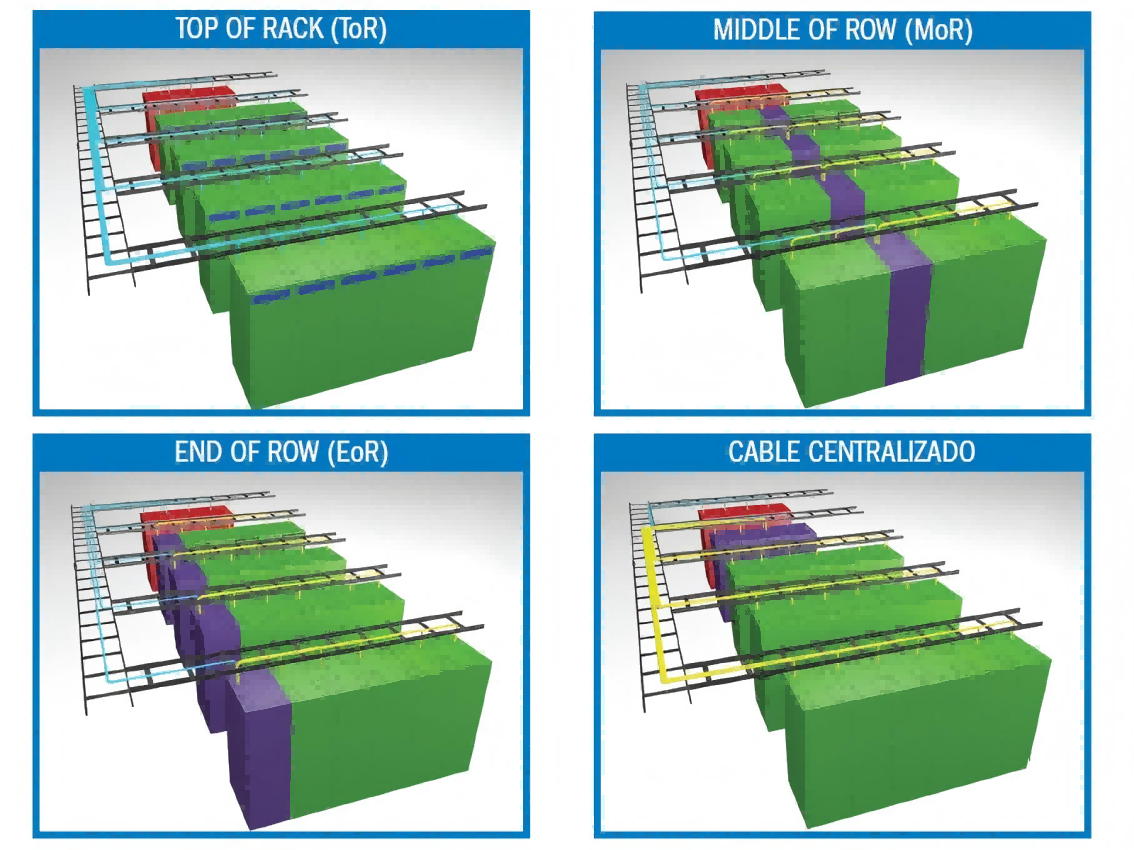
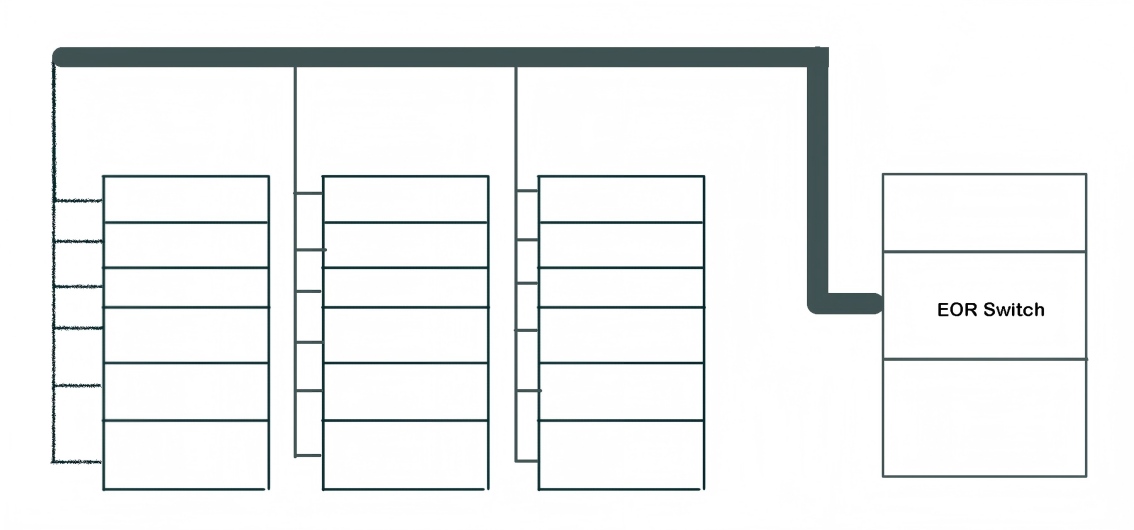
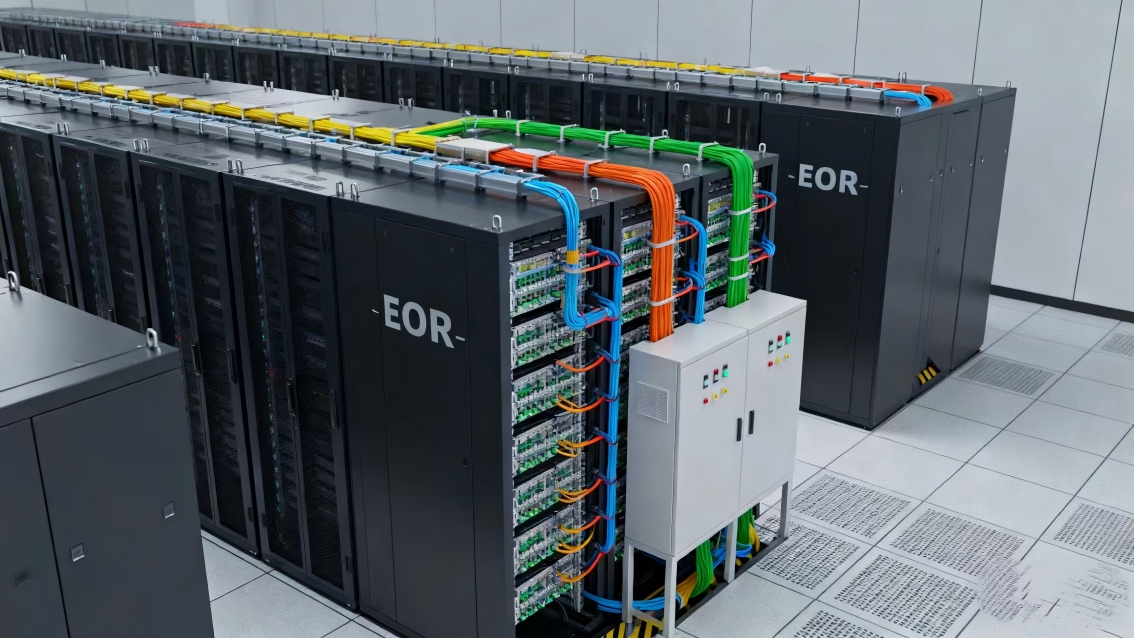
End-of-Row (EoR) architecture places the access switches physically at the end of each row of server racks. All servers in that row have cables running to the row-end switch, which subsequently links to the core switch or router to enable broader network access.
Key Benefits
Lower Total Cost of Ownership: Consolidating switch hardware reduces both initial purchase costs and long-term operational expenses for management and maintenance.
Aggregation Layer Efficiency: Demands fewer high-speed uplink ports on core or aggregation switches compared to distributed architectures.
Economic Advantage: Typically proves more cost-effective than deploying switches in a Top-of-Rack (ToR) model.
Key Limitations
Distance-Related Performance Constraints: Maximum cable lengths from the row-end switch to servers can impose limits on signal integrity, potentially impacting latency and maximum throughput.
Cabling Complexity: Requires extensive horizontal cable runs, leading to dense cable trays and more challenging patch panel management.
Operational Rigidity: Maintenance activities and hardware upgrades are highly disruptive, as they necessitate downtime for an entire row of servers.
Middle-of-Row
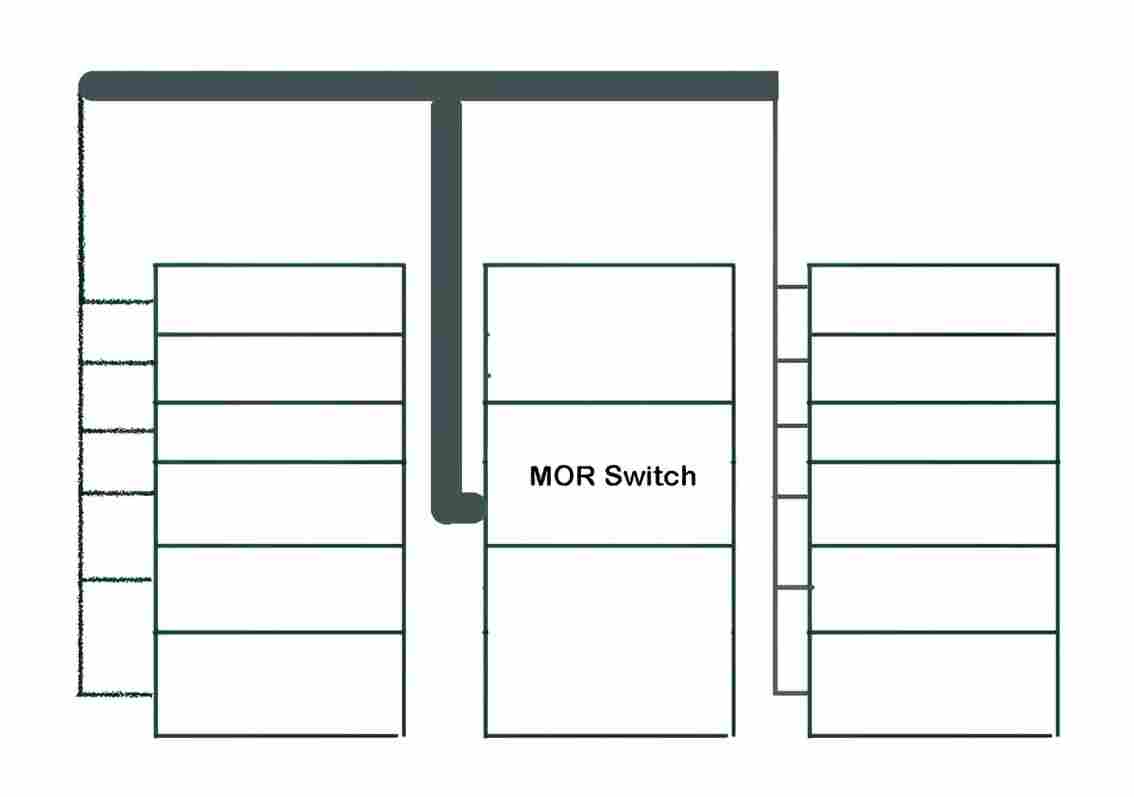
The Middle-of-Row (MoR) architecture positions a switch in the center of each server rack row. In this design, servers within the row connect to this centrally located switch, which is then uplinked to a core switch or router for network-wide connectivity. Its key distinction from EoR is the reduced cable length, as the switch placement minimizes the distance to the farthest servers. Other operational concepts remain similar to the End-of-Row model.
Top-of-Rack
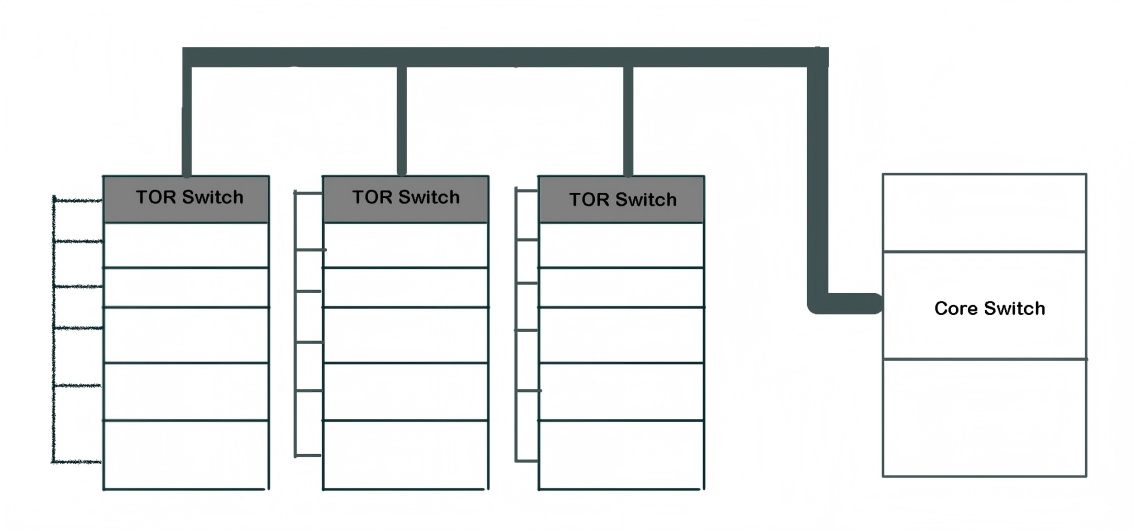
The Top-of-Rack (ToR) design places a high-performance switch at the top of each server rack. By connecting servers over the shortest possible path, this switch provides low-latency, high-bandwidth access and aggregates rack traffic efficiently before forwarding it to the core network via high-speed uplinks.
Key Advantages
Operational Simplicity: Confines cable runs to within the rack, dramatically simplifying physical infrastructure and day-to-day management.
Cost-Effective Deployment: Leverages short, inexpensive cables, lowering initial material and installation costs.
Modular Scalability: Supports granular, rack-by-rack expansion without redesigning the broader cable plant.
Independent Maintenance: Enables upgrades or troubleshooting at the rack level without affecting adjacent systems.
Key Disadvantages
Elevated Operational Expenditure: The proliferation of switches entails greater aggregate power draw and cooling needs, raising ongoing costs.
Management Complexity: Requires oversight of a larger number of network devices, increasing administrative overhead.
Risk of Resource Underutilization: May result in stranded or wasted switch ports if not all capacity within a rack is used.